
About Osteopathy
Osteopathy is a patient-centred form of healthcare focused on diagnosing, treating and helping prevent musculoskeletal pain and movement problems.
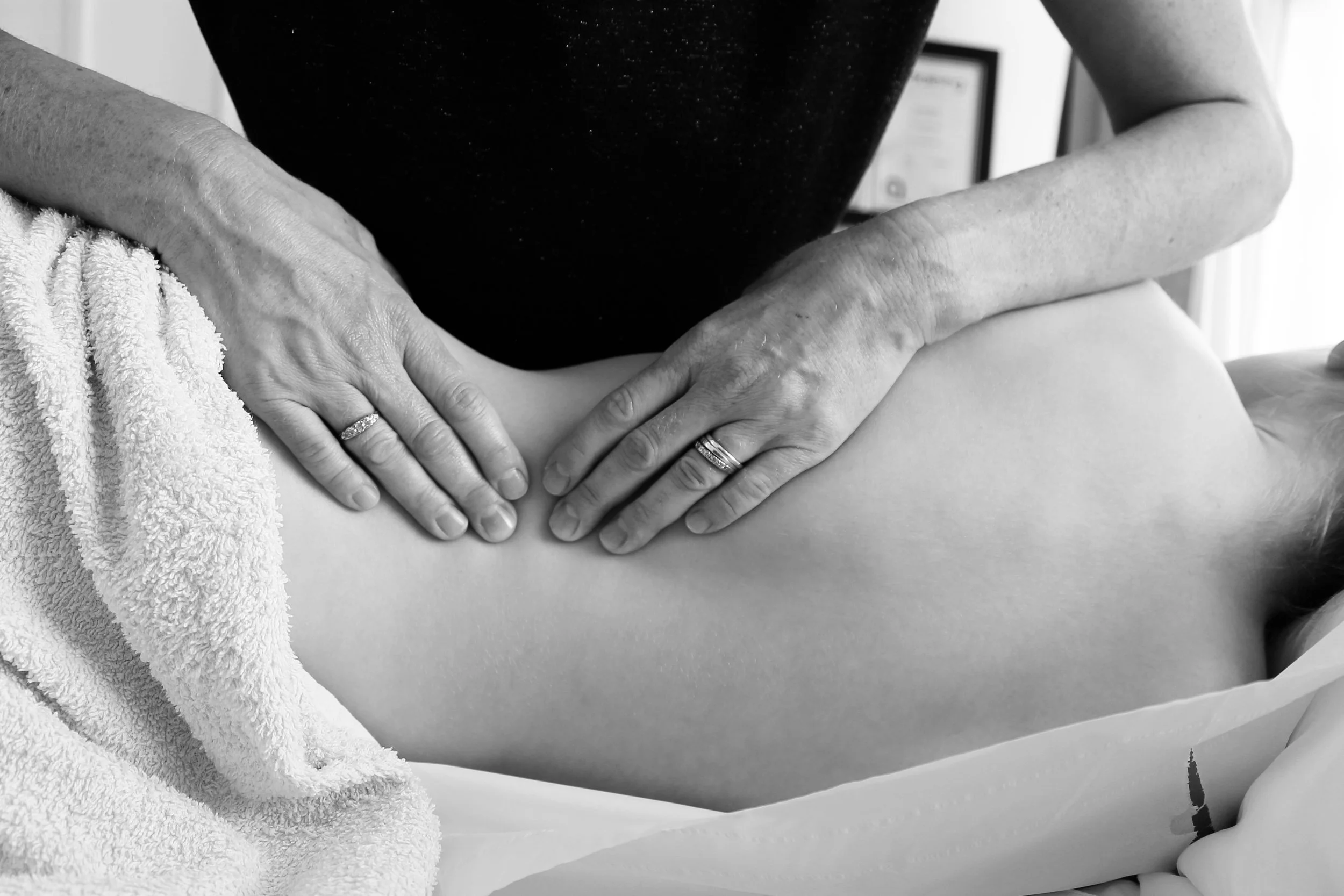
Osteopaths are trained to assess how the body moves and functions as a whole.
We recognise that pain or restriction in one area may be connected to imbalance or strain elsewhere in the body.
Osteopathy was founded in the late 19th century by American physician Dr Andrew Taylor Still.
He believed that the structure and function of the body are closely connected and that the body has a natural ability to heal itself when supported properly.
He developed osteopathy as a holistic approach to healthcare, combining detailed medical knowledge with hands-on treatment to improve movement, circulation and overall health. Since then, osteopathy has evolved into a well-established and regulated healthcare profession practised worldwide.
Osteopathy is a patient-centred form of healthcare focused on diagnosing, treating and helping prevent musculoskeletal pain and movement problems. Osteopaths are trained to assess how the body moves and functions as a whole, recognising that pain or restriction in one area may be connected to imbalance or strain elsewhere in the body.
Many people associate osteopathic treatment mainly with back pain, neck pain and sports injuries and osteopaths do commonly help with these conditions.
However, osteopathic care can also support people experiencing a wider range of symptoms linked to tension, stress, posture, movement and overall body function.
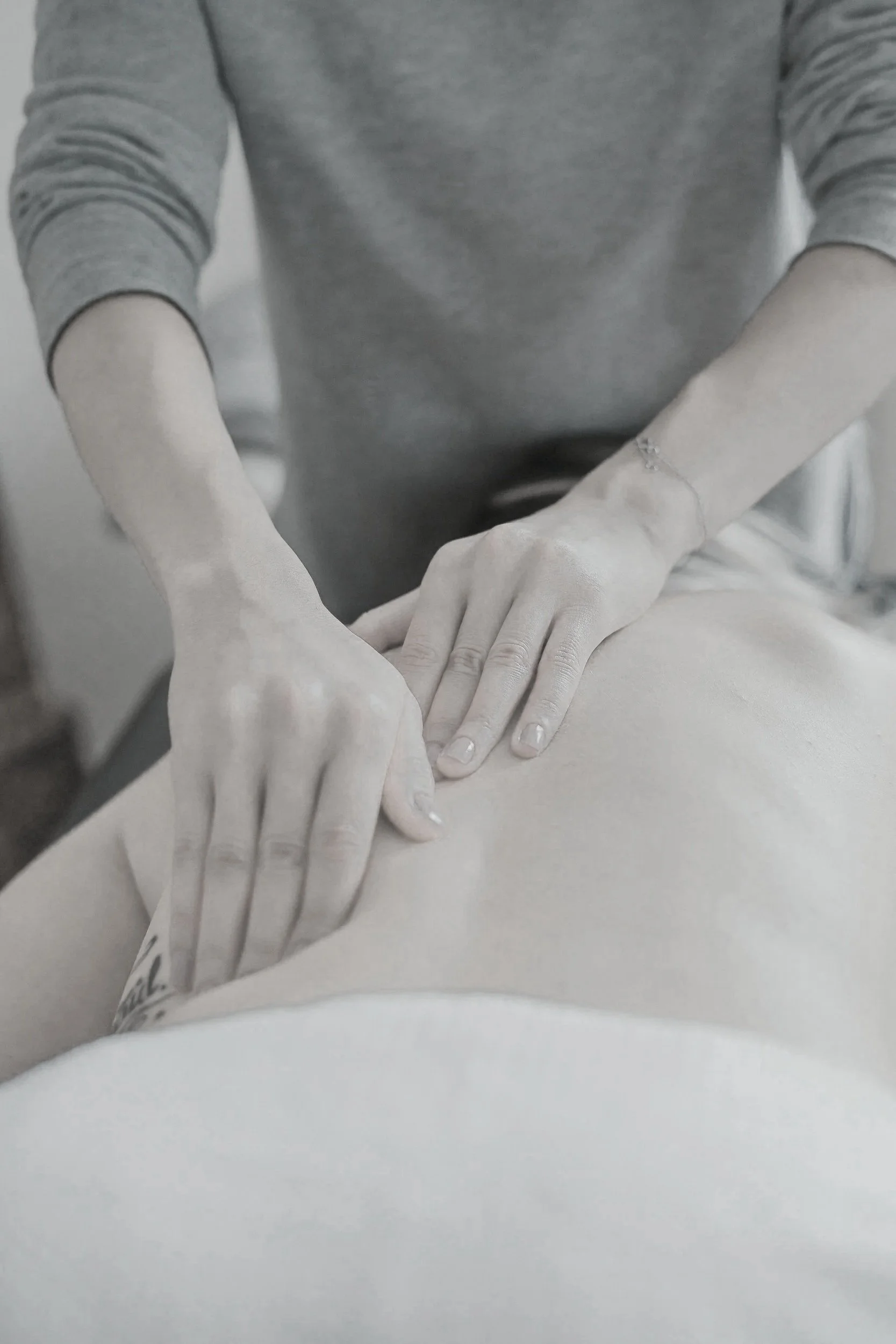
Patients often seek osteopathic treatment for:
Back and neck pain
Joint and muscle pain
Sports injuries
Postural strain
Headaches and tension-related headaches
Jaw tension and TMJ discomfort
Shoulder and hip pain
Pregnancy-related aches and pains
General stiffness and reduced mobility
Stress-related physical tension
Osteopathy and Mental Health
Some patients also find osteopathic treatment supportive in helping them manage symptoms associated with stress, anxiety and tension held within the body. Osteopathy is not a treatment for mental health conditions themselves, but many people notice improvements in relaxation, sleep, breathing patterns and overall wellbeing as physical tension and discomfort reduce.
Whatever your condition, I will always explain my findings clearly, discuss a suitable treatment plan, and ensure you understand the expected benefits, possible risks and likely number of sessions needed.
Most Importantly:
You don’t need to wait until you are in pain to see an osteopath - regular treatment and maintenance care can help support mobility, reduce tension, aid injury prevention and keep your body functioning at its best.
Contact me
If you’d like to book an appointment, have a question, or just want to find out if osteopathy is right for you — I’d love to hear from you.
I’ll always aim to get back to you within 24 hours (Monday–Friday).